
“When I adopted rainforestation, I only had the intention of making use of a piece of land that had been unproductive for a couple of years. Yet, years after establishing my rainforestation farm, I did not expect to gain things that nature has provided, like the source of water in my demonstration farm as well as the sale of the fruit trees during the fruiting season. My newly built water system also irrigated my rice field near my demonstration farm all year long in such a way that my rainforestation did not only provide me with water; it also enabled me to regularly plant rice all year a round.”
— Manuel Posas
Cultivating Connection: How Environmental Education Plants Seeds of Hope in the Philippines🌿
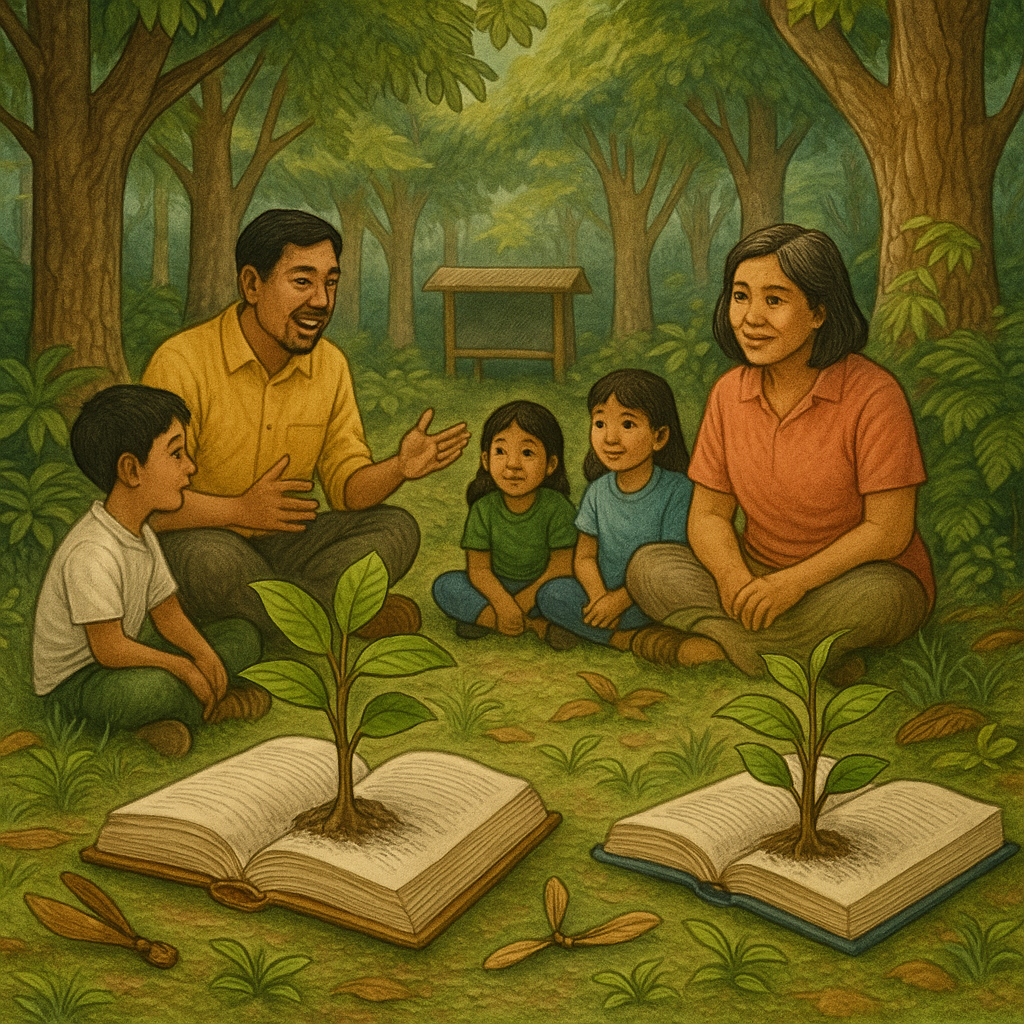
In the Philippines, where forests once stretched vast and rivers teemed with life, many communities now live with the consequences of extractive practices—deforestation, illegal logging, and climate-induced disasters. And yet, among these shifting landscapes, green shoots of renewal are emerging—not just in the soil, but in hearts, minds, and relationships. Two stories from Visayas State University remind us that education rooted in connection—with land, with community, with self—can be a powerful force for healing.
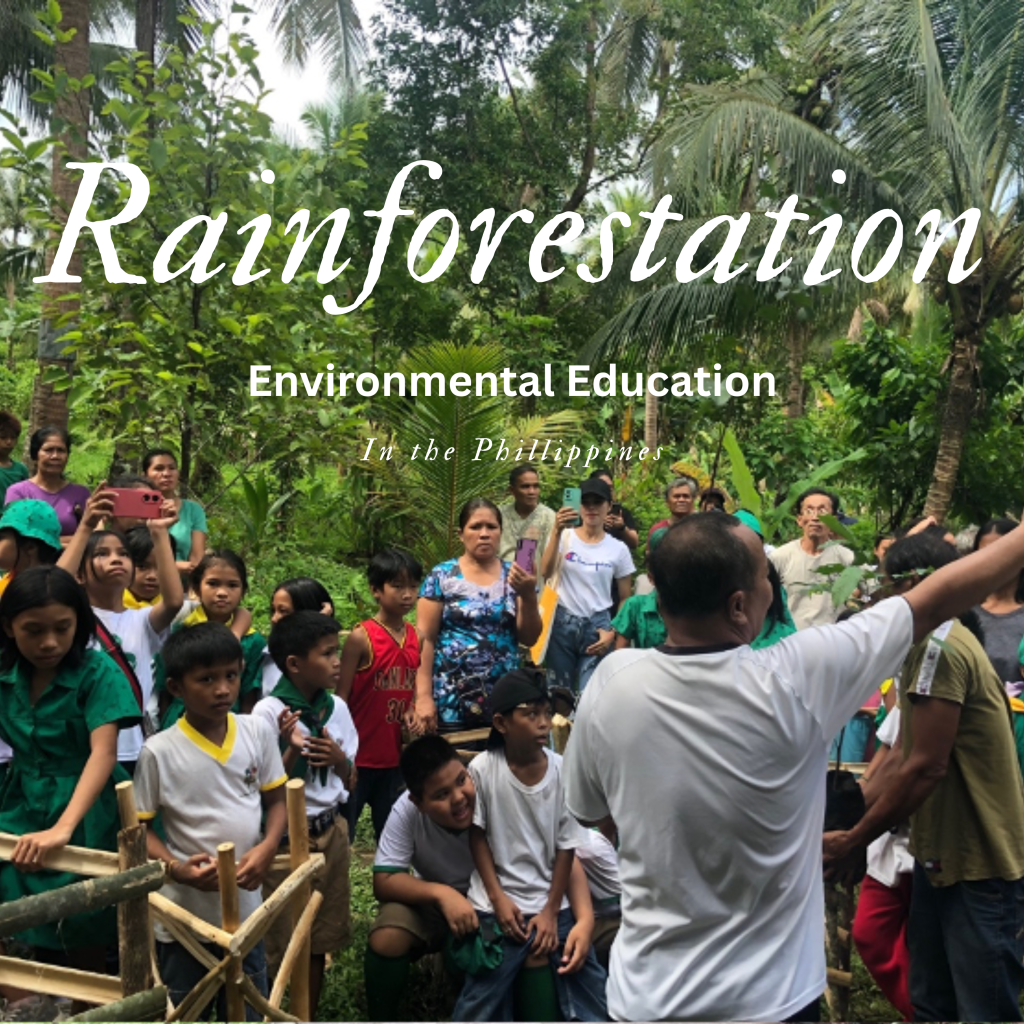
On a warm morning in the Visayas, a group of high school students pushed their kayaks into the river. They weren’t just out for fun—they were part of an environmental jamboree, an immersive learning experience designed to reconnect them with the ecosystems that support their lives. This kind of education goes beyond classrooms. It is part of a quiet revolution happening across the Philippines, where learning becomes living, and forests become teachers.
🌱 Rainforestation: A Living Curriculum
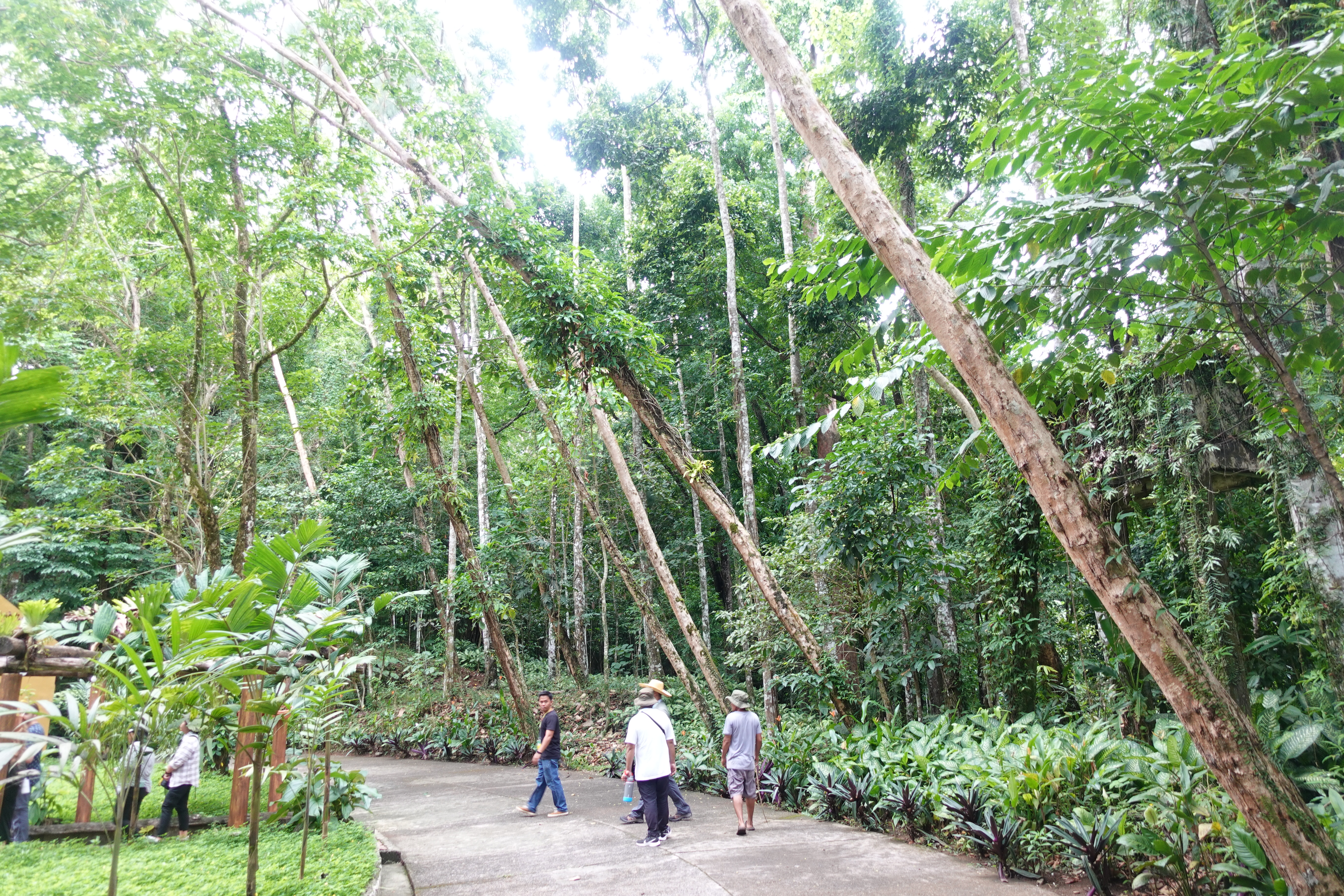
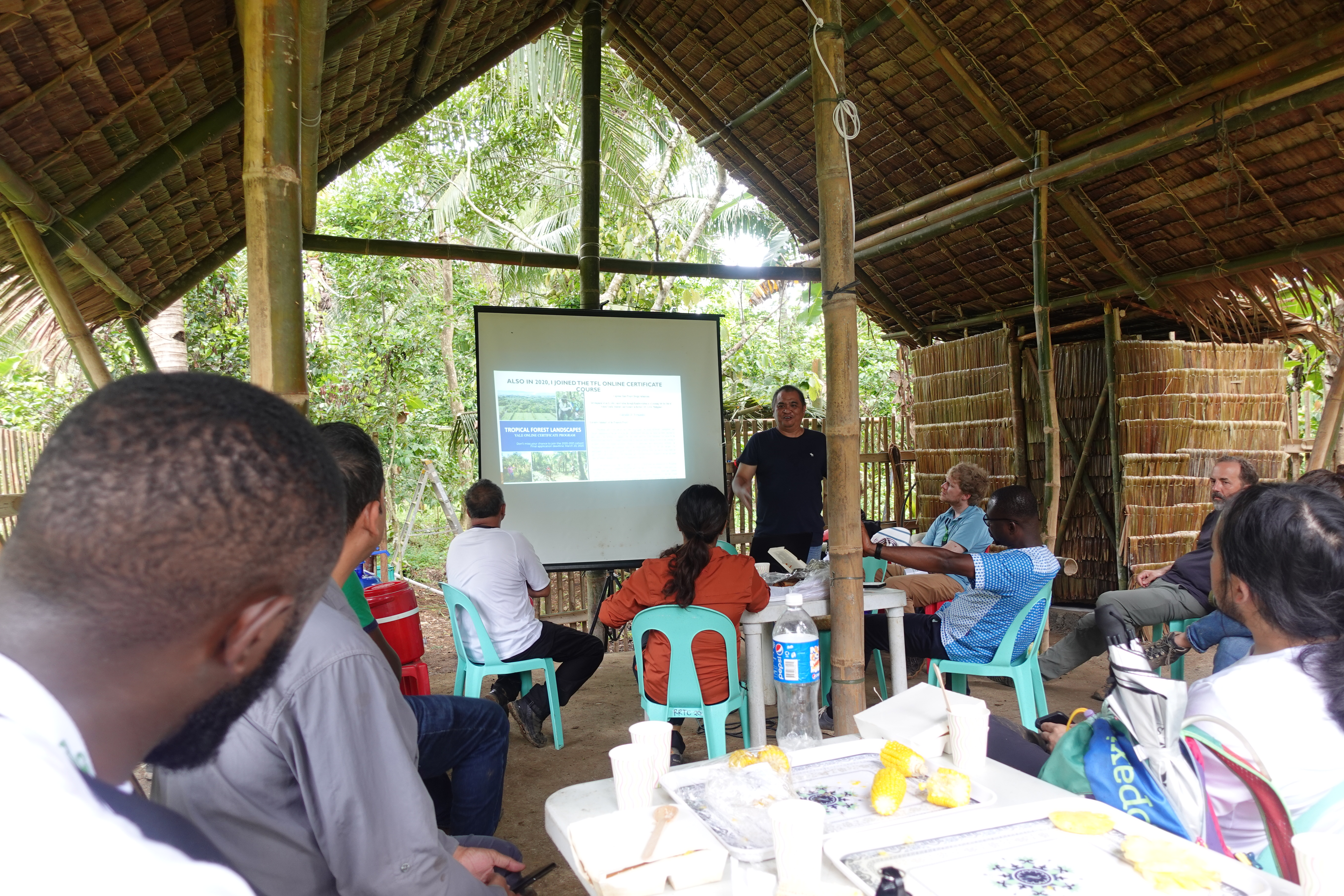
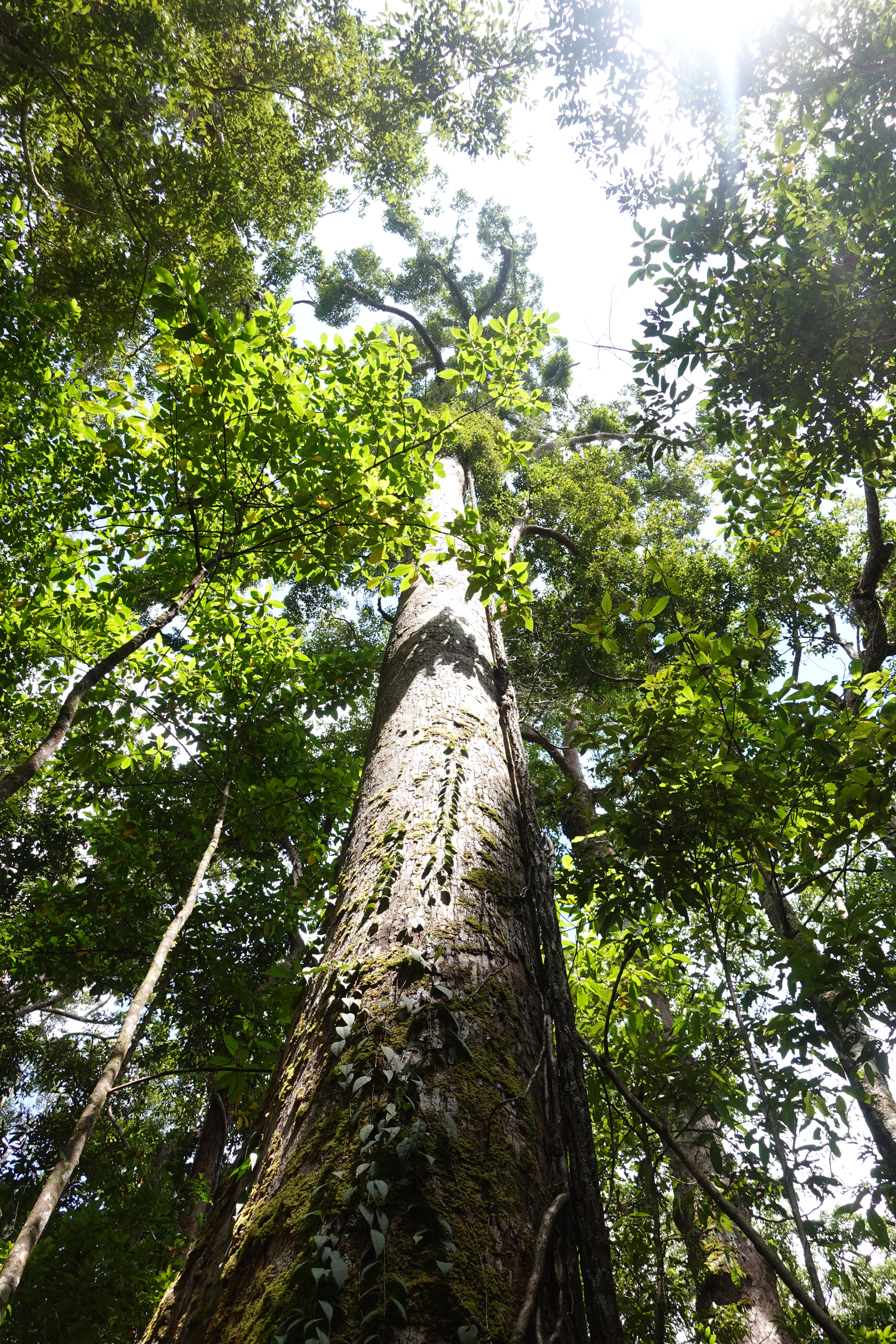
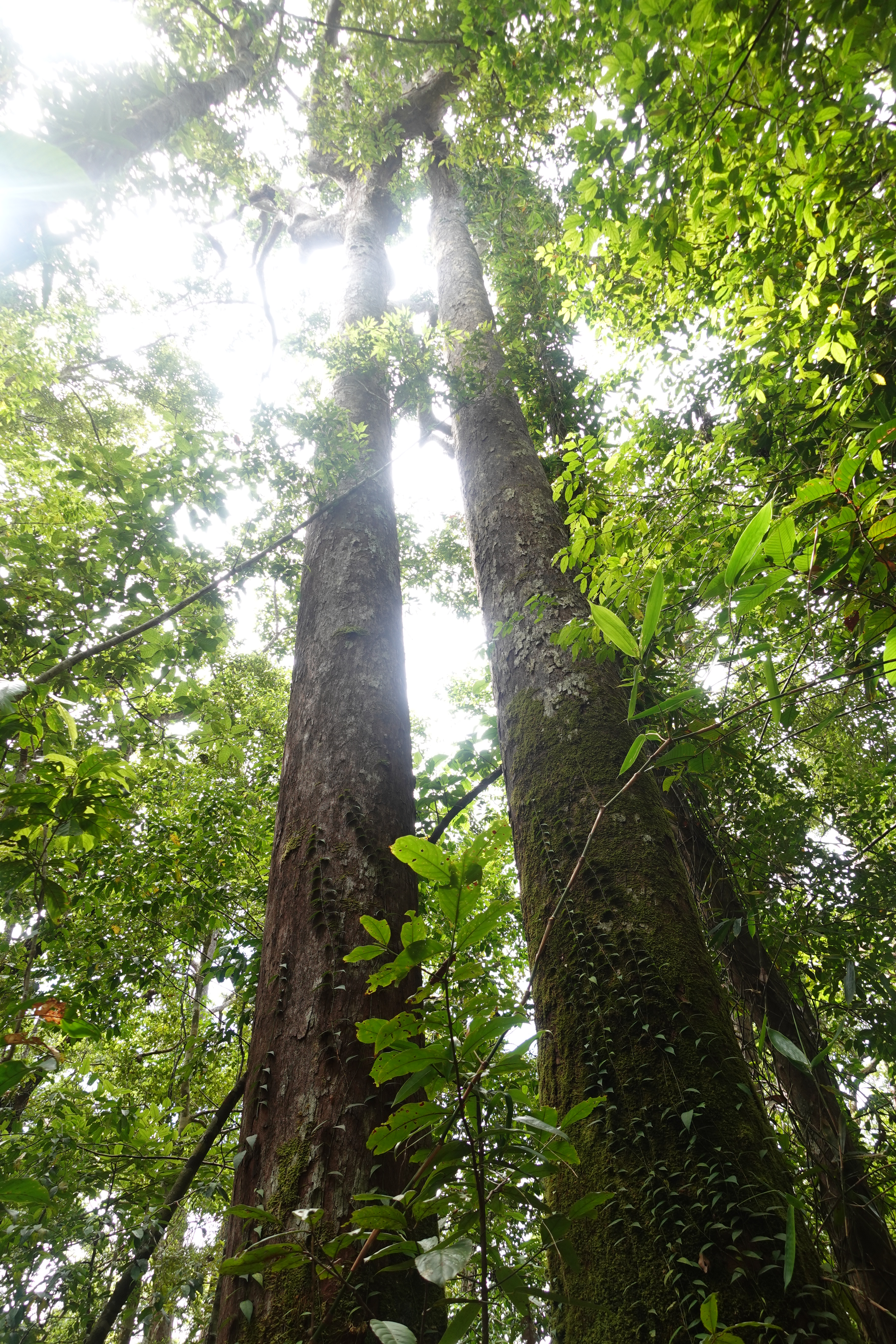
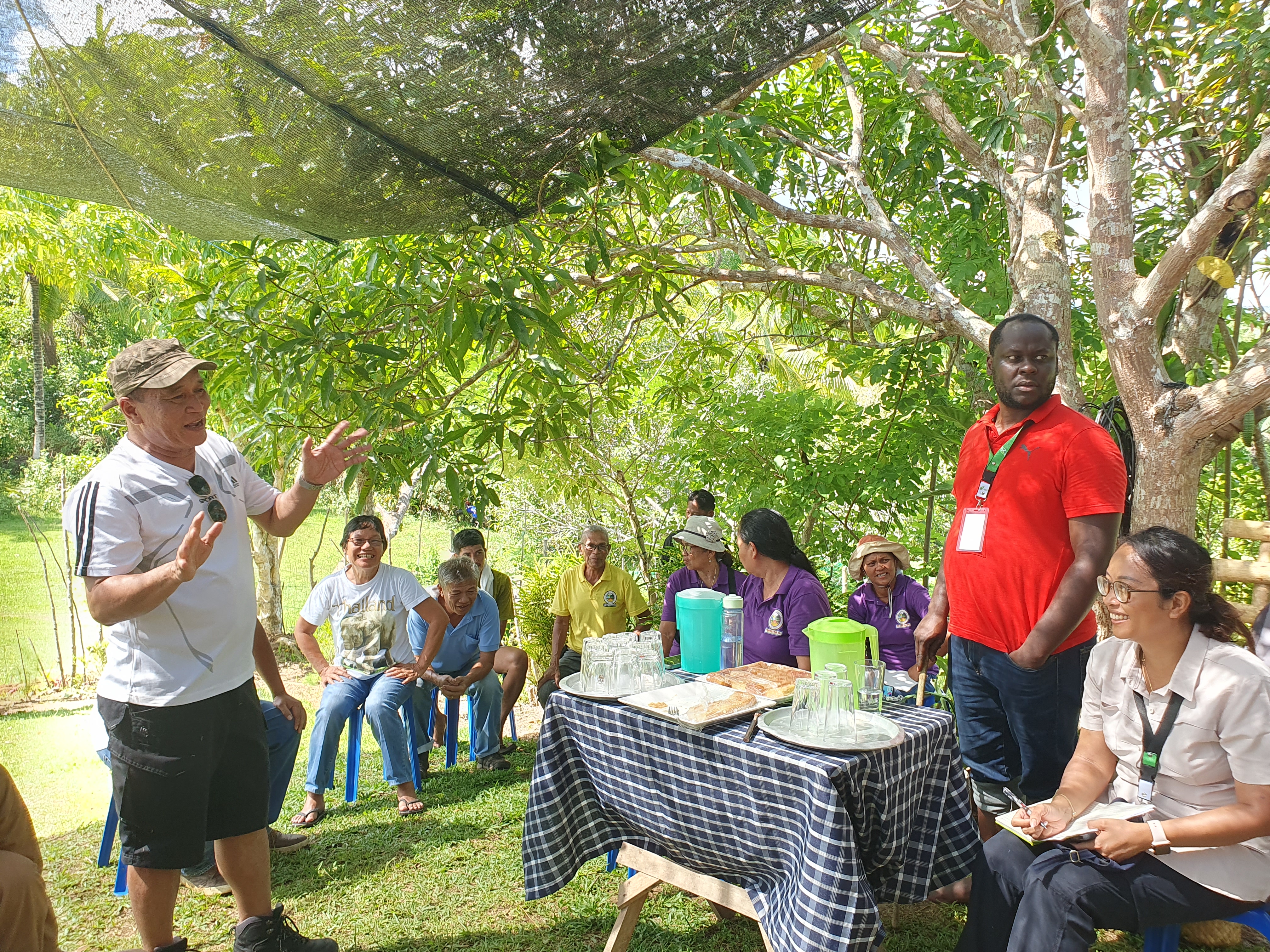
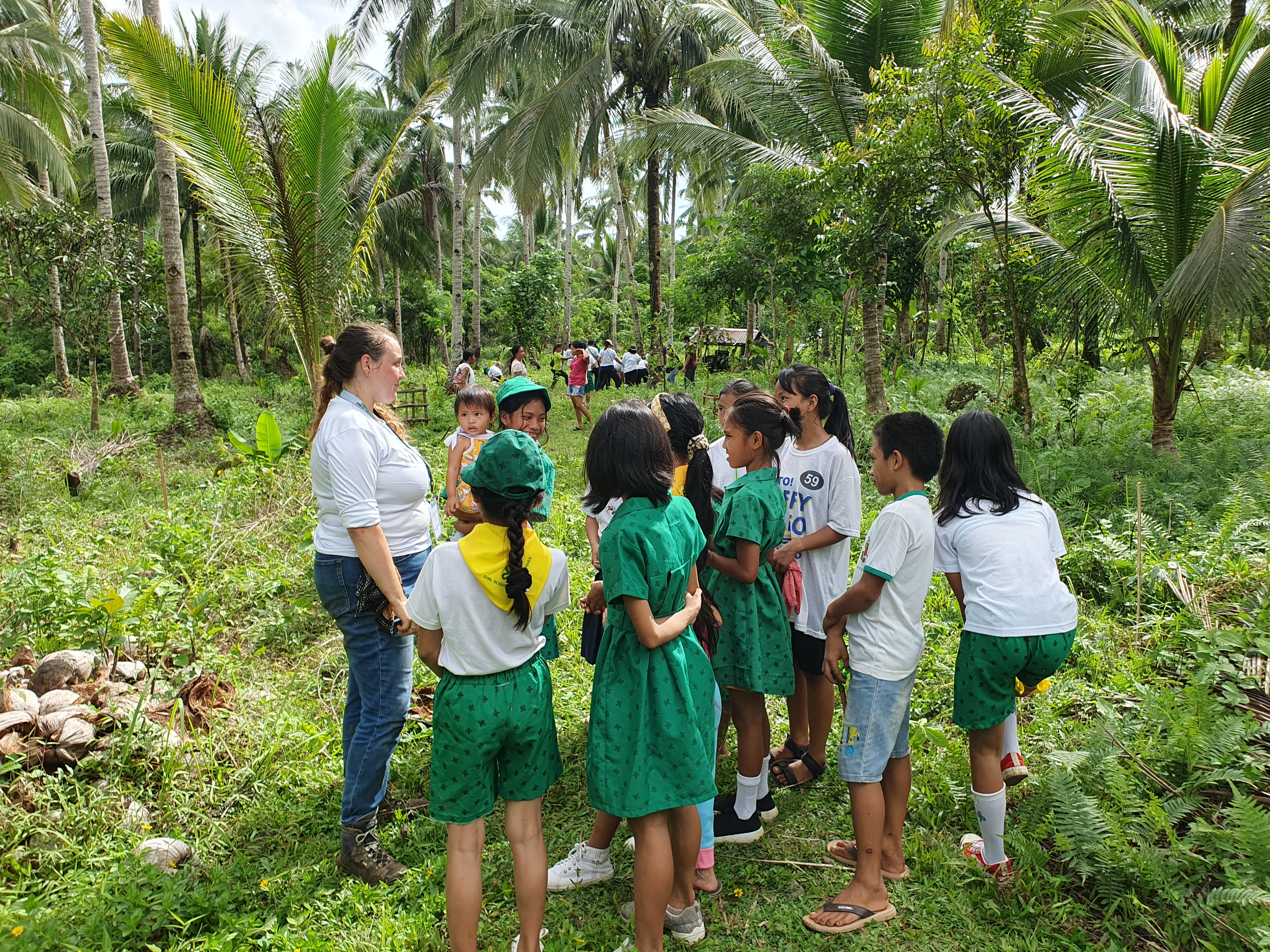
In the hills of Baybay City, farmers like Manuel Posas have transformed their lands through a method called Rainforestation—the practice of replanting native trees in degraded landscapes. With support from Visayas State University and training from ELTI, farmers aren’t just restoring biodiversity—they’re building livelihoods. Manuel, a father of six, now earns income from selling native tree seedlings and fruit harvests. Around his farm, native birds have returned, and water in nearby streams runs clearer. He learned how to read the land, not just work it—thanks to both formal workshops and informal family-led education.
Rainforestation offers a compelling model: restore the land, restore the life around it.
Youth at the Frontlines
Back at the jamboree, students raced through forest trails, planted trees, and listened to lectures on environmental ethics. At the start of the program, only a handful could identify native trees or articulate the effects of climate change. By the end, 86% showed high to very high levels of environmental understanding. One participant said, “I used to think the river was just there. But now I feel like I owe it something.”
These kinds of insights matter. According to research, the most lasting behavior change comes from experiential learning—being in direct contact with ecosystems while learning by doing. The jamboree created space for realization, emotional connection, and collective restoration.
🌱 The Science Behind the Stories
Two studies from Visayas State University were behind our stories:
The study by Fernandez and Bande “Sustainable Development through Environmental Education” (2018) documented how Rainforestation improves both ecosystems and rural economies.
Economic and Ecological Benefits: Farmers like Manuel Posas and groups such as the Cienda-San Vicente Farmers Association (CSVFA) reported economic gains from selling native tree seedlings and fruits. Additionally, there was a noticeable return of native birds, fish, and cleaner water sources, indicating biodiversity restoration.
Role of Environmental Education: Training provided by institutions like Visayas State University and GTZ equipped farmers with knowledge about native tree species and sustainable farming practices. Informal education within families also played a role in fostering a commitment to conservation across generations.
Inspiring New Adopters: Demonstration farms served as models, encouraging new adopters through cross-visits and leadership programs like the Environmental Leadership and Training Initiative (ELTI).
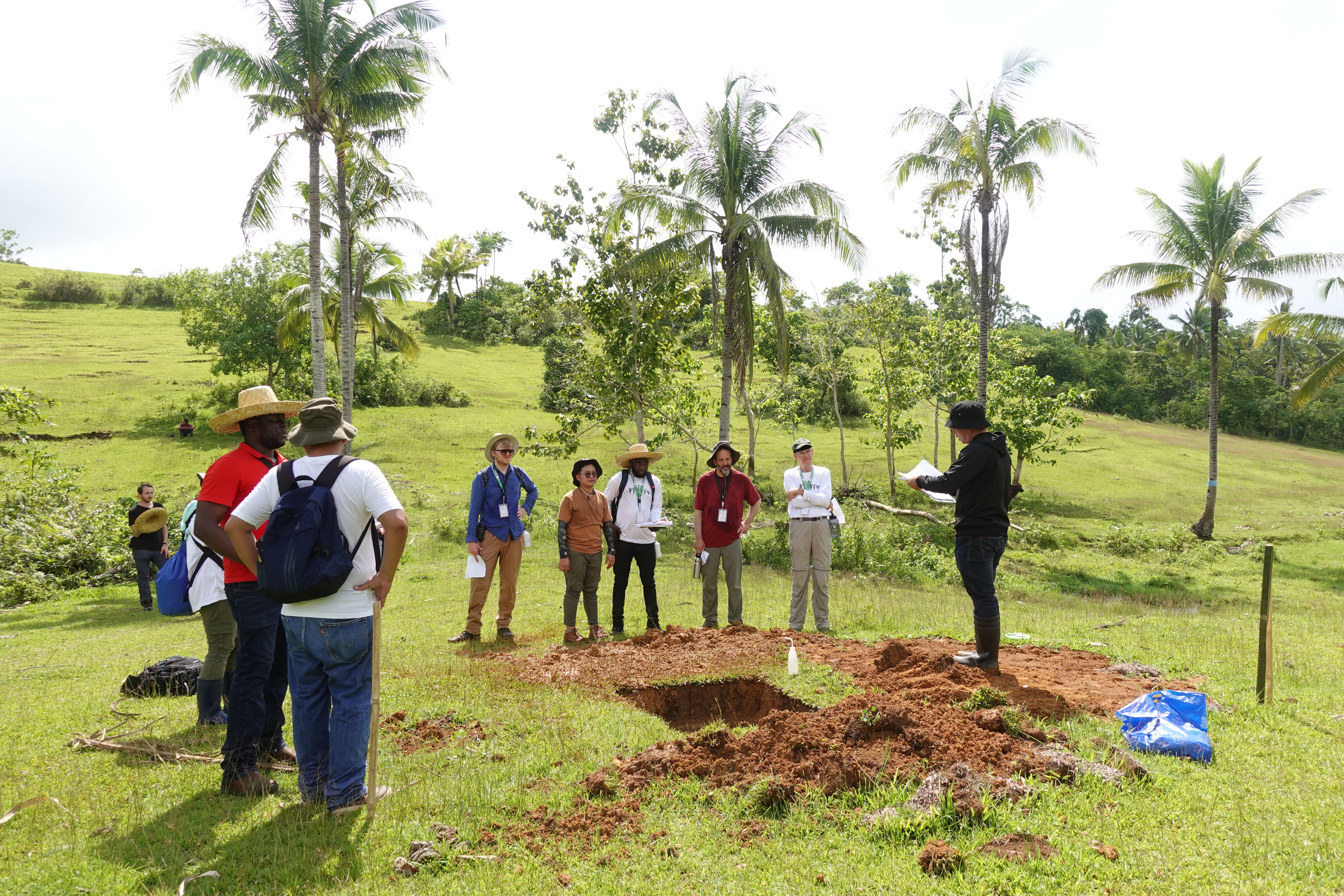
The study by Tulin, Pedrera, and Fernandez “Instilling Environmental Consciousness through an Environmental Jamboree” (2020) documents an environmental jamboree aimed at instilling environmental consciousness among senior high school students and youth leaders. Key findings include:
Learning by Doing: Participants engaged in lectures, environmentally-themed adventure races (e.g., kayaking, tree planting), and cultural activities focused on environmental conservation. Pretest and posttest results showed a significant increase in participants’ knowledge, with 86% scoring high to very high after the jamboree.
Emerging Realizations: Participants recognized that clean ecosystems are essential for enjoyment and safety. Team-based activities highlighted the importance of unity and coordination in achieving conservation goals. Overcoming challenges in the adventure race mirrored the perseverance needed for long-term environmental protection.
These insights underscore the effectiveness of interactive, hands-on activities in fostering environmental consciousness among youth.
Why It Matters to Terrapolis
At Terrapolis, we believe that regeneration is not only a matter of biology—it is an act of culture, of imagination, and of remembering.
Rainforestation offers more than restoration—it becomes a living curriculum. In these rewilded classrooms, children and adults alike learn not just about the forest, but from it. They become ecologically literate, attuned to the rhythms of life that sustain all beings.
As Fritjof Capra writes in The Web of Life, “Reconnecting with the web of life means building and nurturing sustainable communities in which we can satisfy our needs and aspirations without diminishing the chances of future generations.” This is the slow, luminous work of regeneration. This is the path of Terrapolis.
 A democratic space for sharing stories on replenishing the Earth