
Rainforestation and Environmental Education in the Philippines
Interview with
Dr. Guiraldo Fernandez Jr.
“During my Ph.D. studies, I wrote a dissertation on peace. I found out that one of the elements for human beings to be at peace with one another is to be at peace with the natural environment. Yet, to be at peace with the environment and with oneself entails the ability to balance the utilization of resources and conserve them for future generations. As a teacher in philosophy and ecology, I realized that one way of achieving this is by adhering to the philosophy of enlightened anthropocentrism, where the human person, though utilizing things in nature, also has the responsibility of caring for nature, making sure that nature is not overly exploited, and being able to regenerate for future use.”
Rainforestation
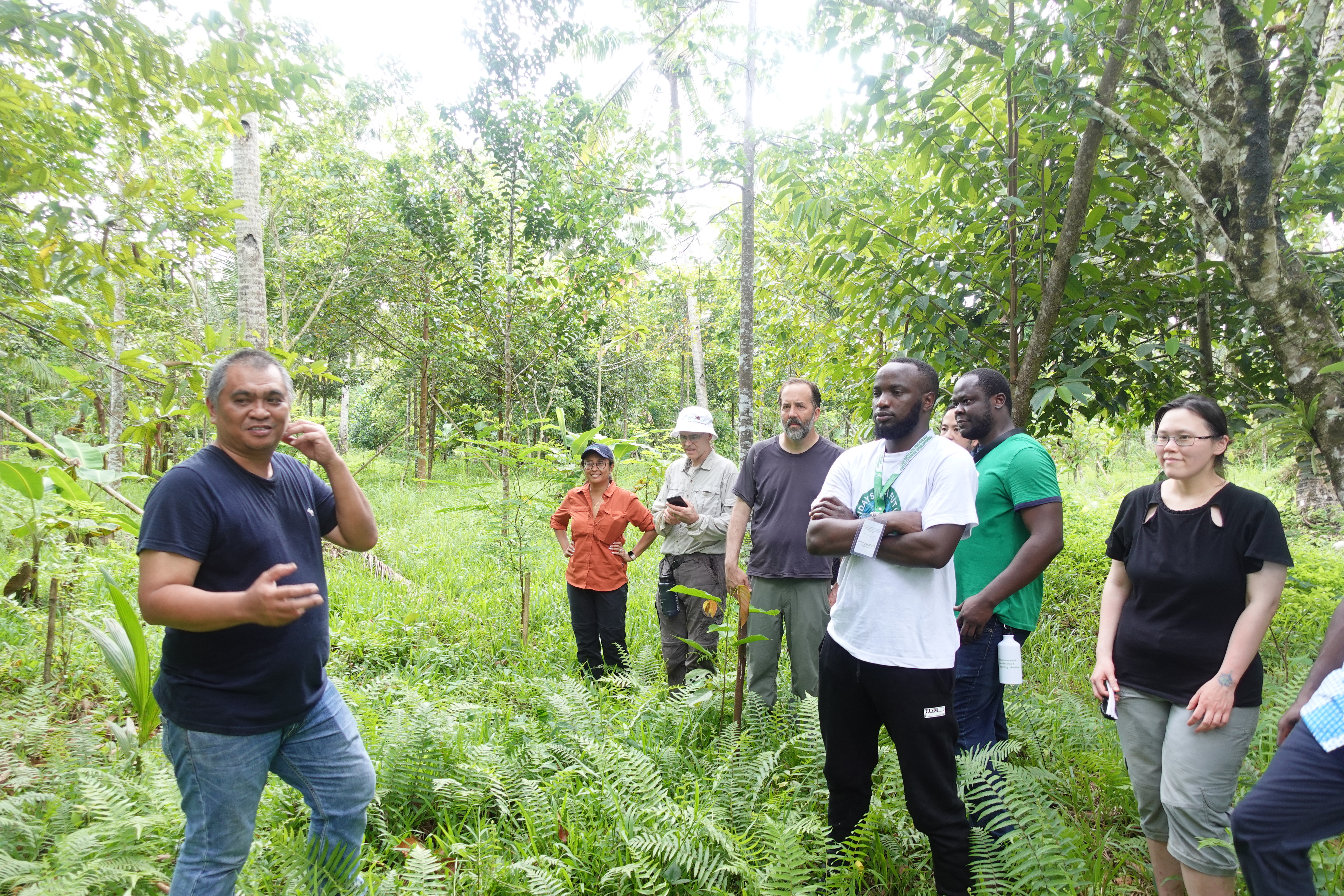
Pioneered by Professor Paciencia Milan and her colleague Dr. Josef Margraf in the 1990s, rainforestation is the practice of reforestation methods using native species, including trees from the Dipterocarp family.[1]Under the assumption that “the closer a farming system is to a natural rainforest system, the more effectively it can maintain its physical function,” rainforestation seeks to incorporate native tree species into restoration practices for their role in supporting biological resilience. By emphasizing the non-economic benefits of planting native trees as well as the importance of diversifying the landscape, rainforestation aims not only to sustain ecological balance but also to promote the well-being of humans.
[1] Milan P., Rainforestation: Paradigm Shift in Forest Restoration in the Philippines (Philippines: Forest Foundation Philippines, 2020).
Environmental Education
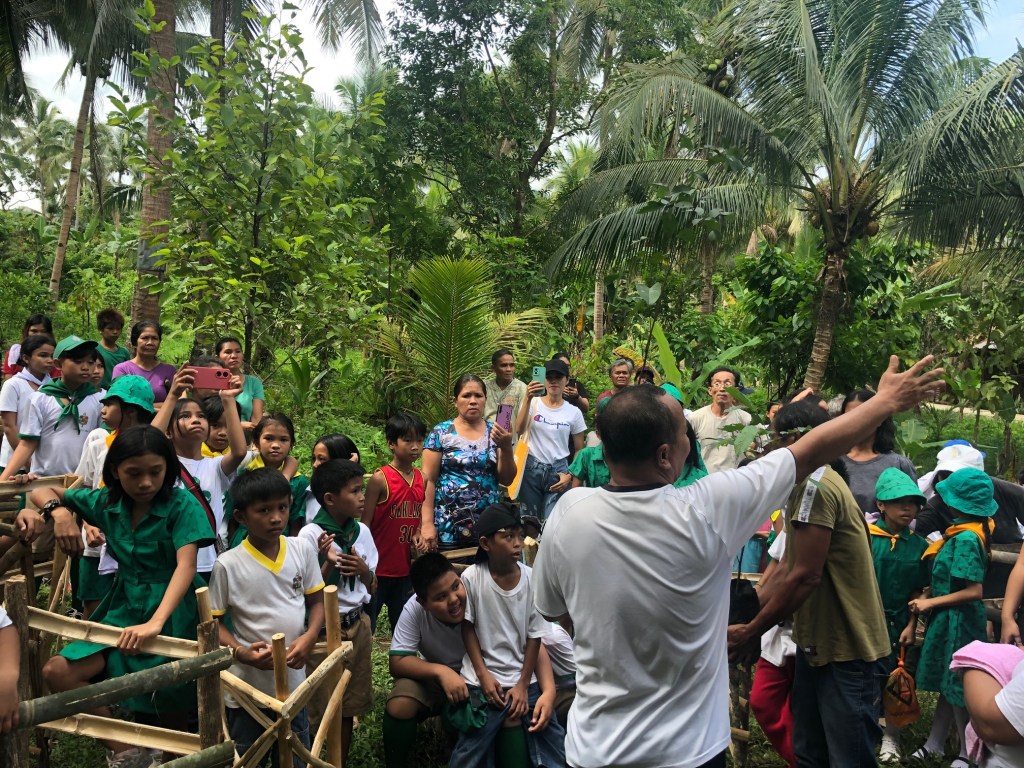
In the Philippines, the forest becomes a classroom—and the classroom, a forest. Two recent studies illuminate how combining hands-on education with ecological restoration is regenerating both land and community.
Through Rainforestation, a method of replanting native species, local farmers like Manuel Posas and groups such as CSVFA are witnessing the return of birdsong, clean water, and new livelihoods. Trained by institutions including the Visayas State University and ELTI, communities are passing on ecological wisdom across generations—planting not only trees, but roots of resilience.[1]
Meanwhile, youth-led initiatives like the Environmental Jamboree are awakening a new generation of stewards. With adventure races, lectures, and cultural immersion, students learn that ecosystems are not just resources—they are relationships worth defending.
[1] Guiraldo Fernandez Jr. and Marlito Bande, ‘Rainforestation as an Instrument for Environmental Education: A Philippine Rural Community Experience’, Turkish Online Journal of Qualitative Inquiry, 12 (2021), 1393-1401.
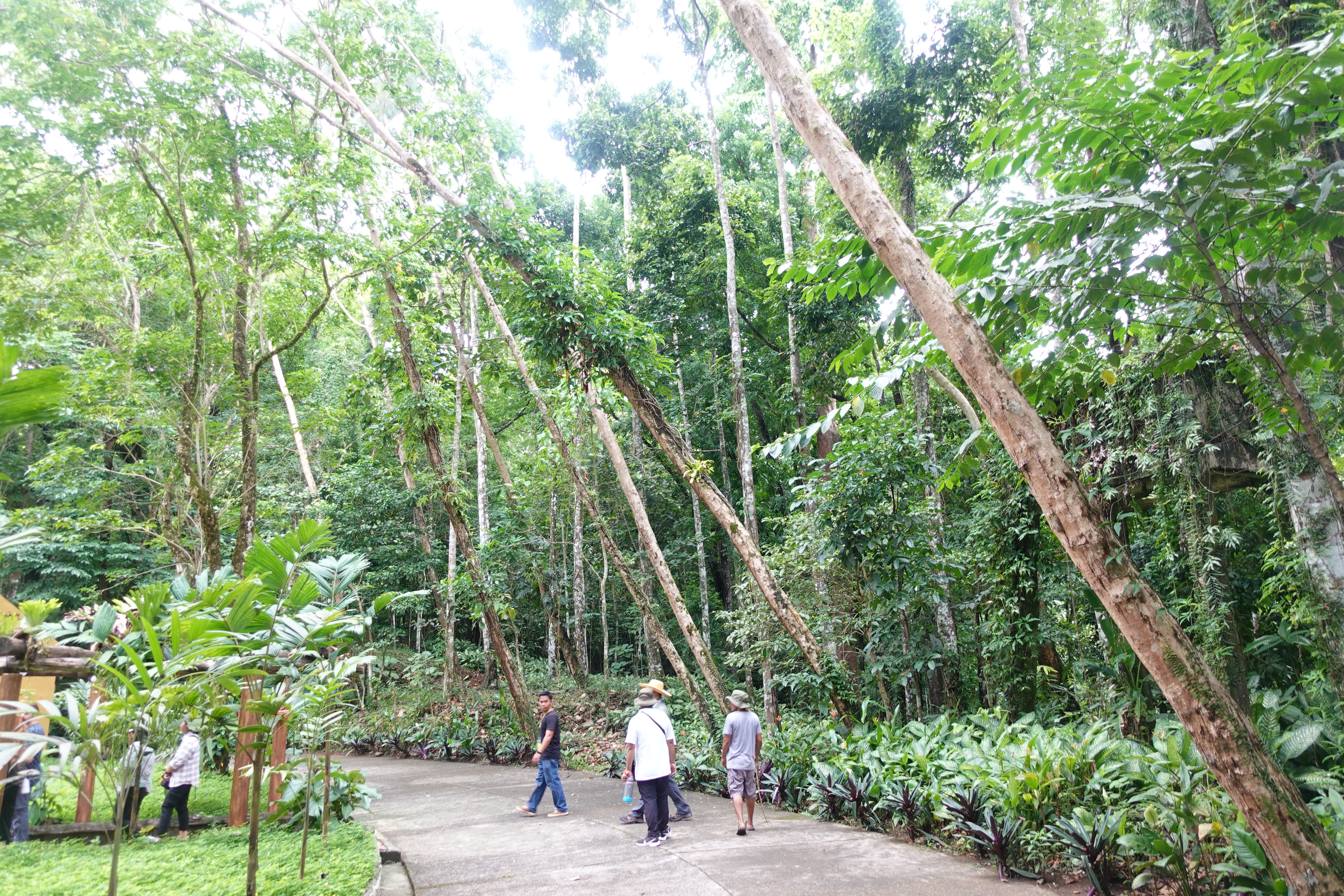
Research Farm at Visayas State University, Baybay city, Leyte, in the Philippines
 A democratic space for sharing stories on replenishing the Earth